Process selection
Stage chemistry and sequence defined by substrate, contamination and finish requirement.
Surface treatment lines and washing booths prepare parts for powder coating or wet painting. Cleaning, phosphating and rinsing stages are selected for the substrate and required finish.
Request a project proposal ↗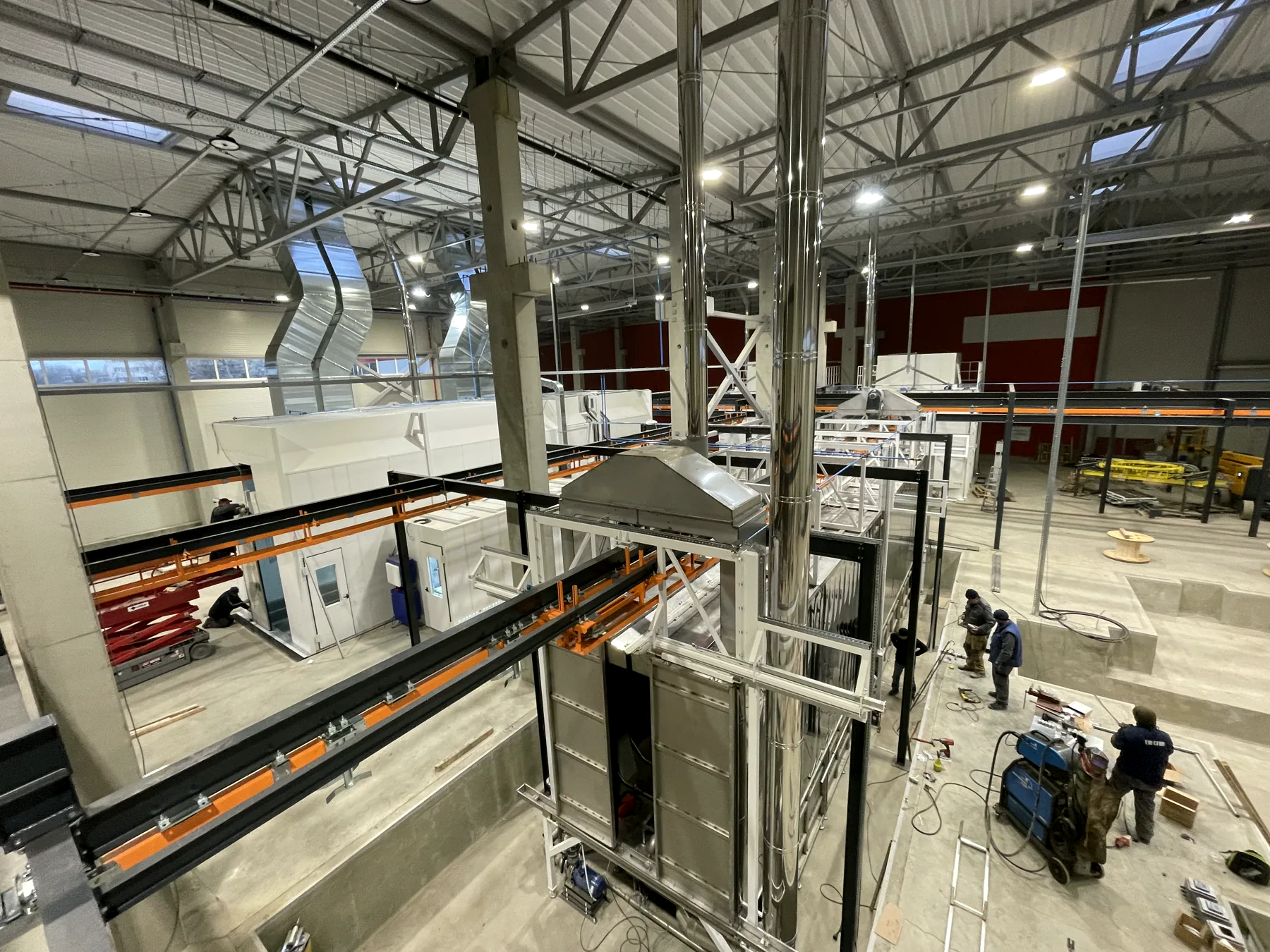
A controlled foundation for coating
Residual oil, oxide, salts and process contamination can compromise adhesion before the coating reaches the oven. The pretreatment sequence must therefore be matched to the metal, contamination load, paint chemistry and corrosion target.
Atlas engineers and supplies batch or conveyorised systems for powder coating and liquid-paint lines, integrating spray stages, tank circulation, heating, filtration, chemical dosing and process controls.
A phosphating line is one possible pretreatment sequence, not a requirement for every coating. Washing lines, batch washing booths and conveyorized spray lines are configured around part geometry, process chemistry and production volume.
Stage chemistry and sequence defined by substrate, contamination and finish requirement.
Batch booths, multi-stage spray tunnels or combined spray and immersion processes.
Temperature, concentration, pressure, dwell time, filtration and replenishment monitoring.
System configurations
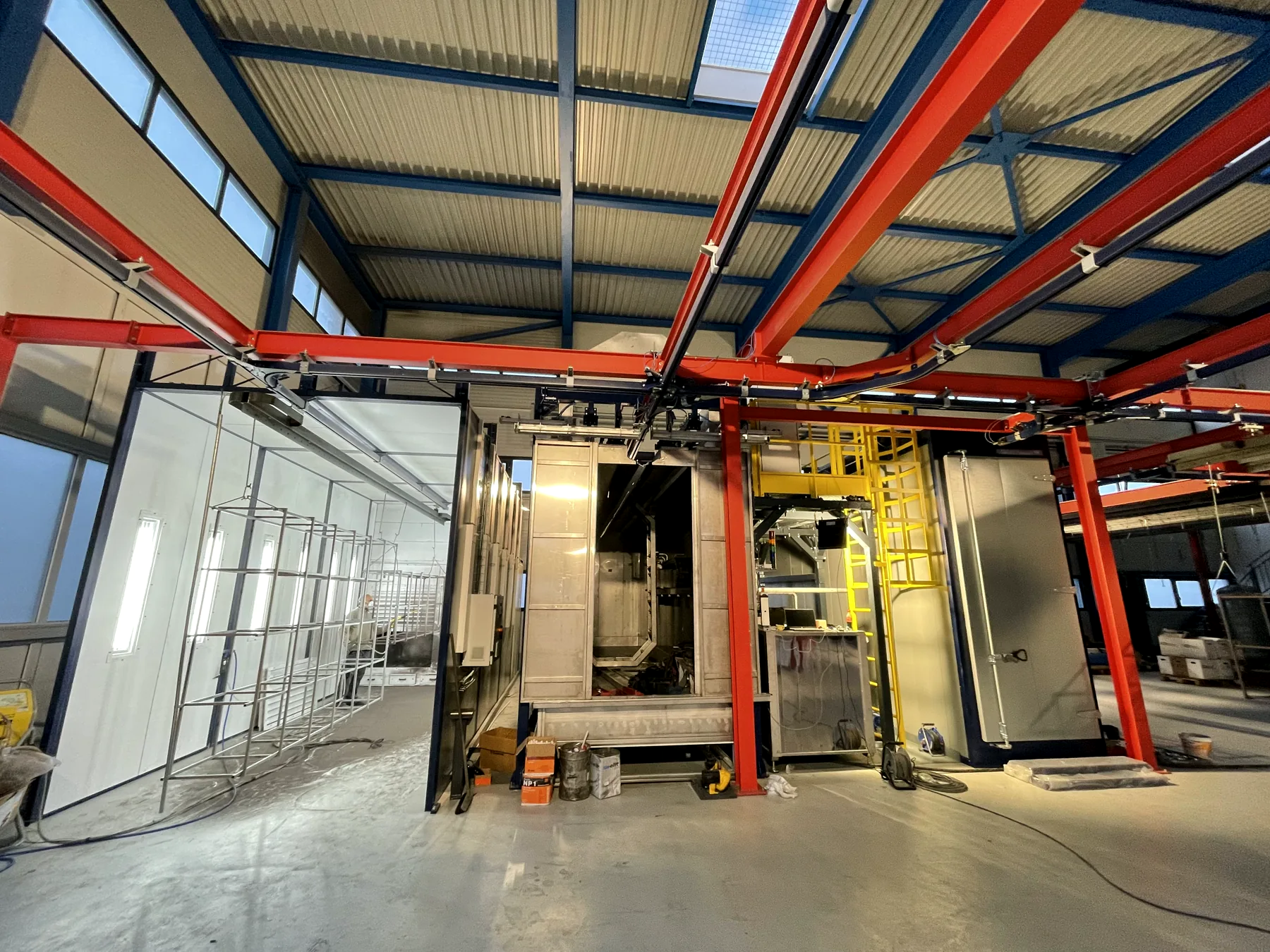
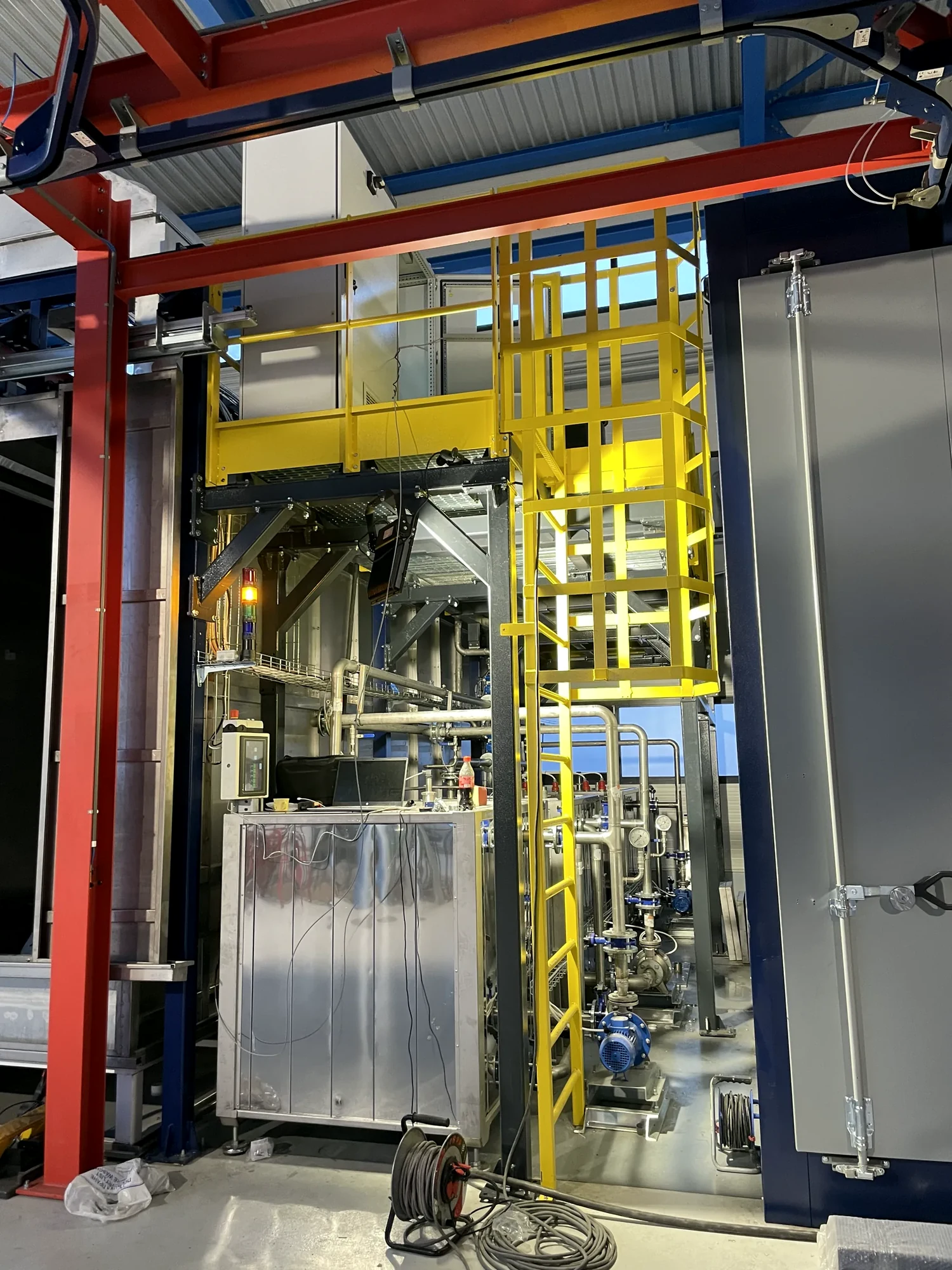
Separate tunnel zones perform the required cleaning, conversion and rinsing stages while parts travel continuously or step-by-step on the conveyor.
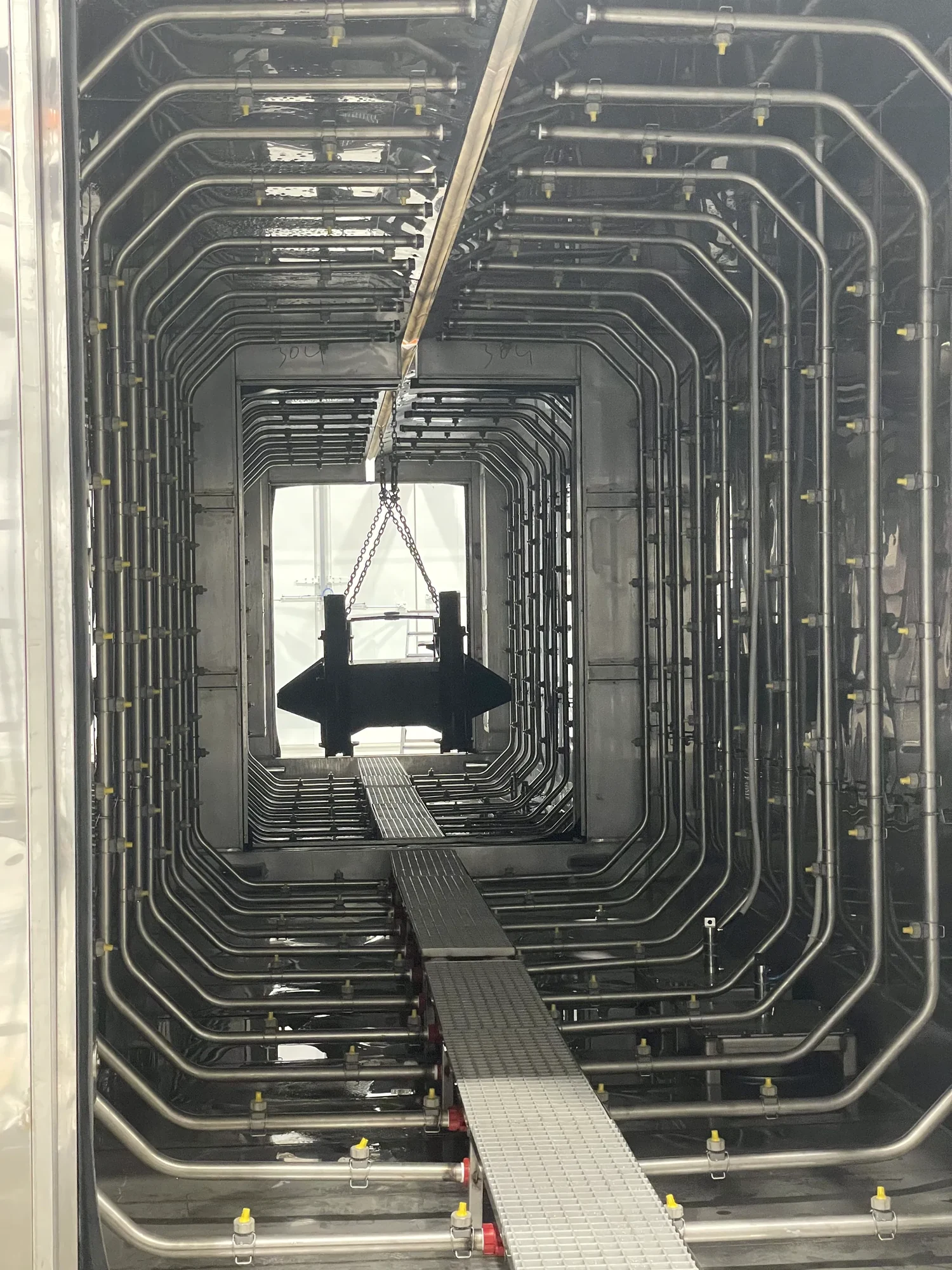
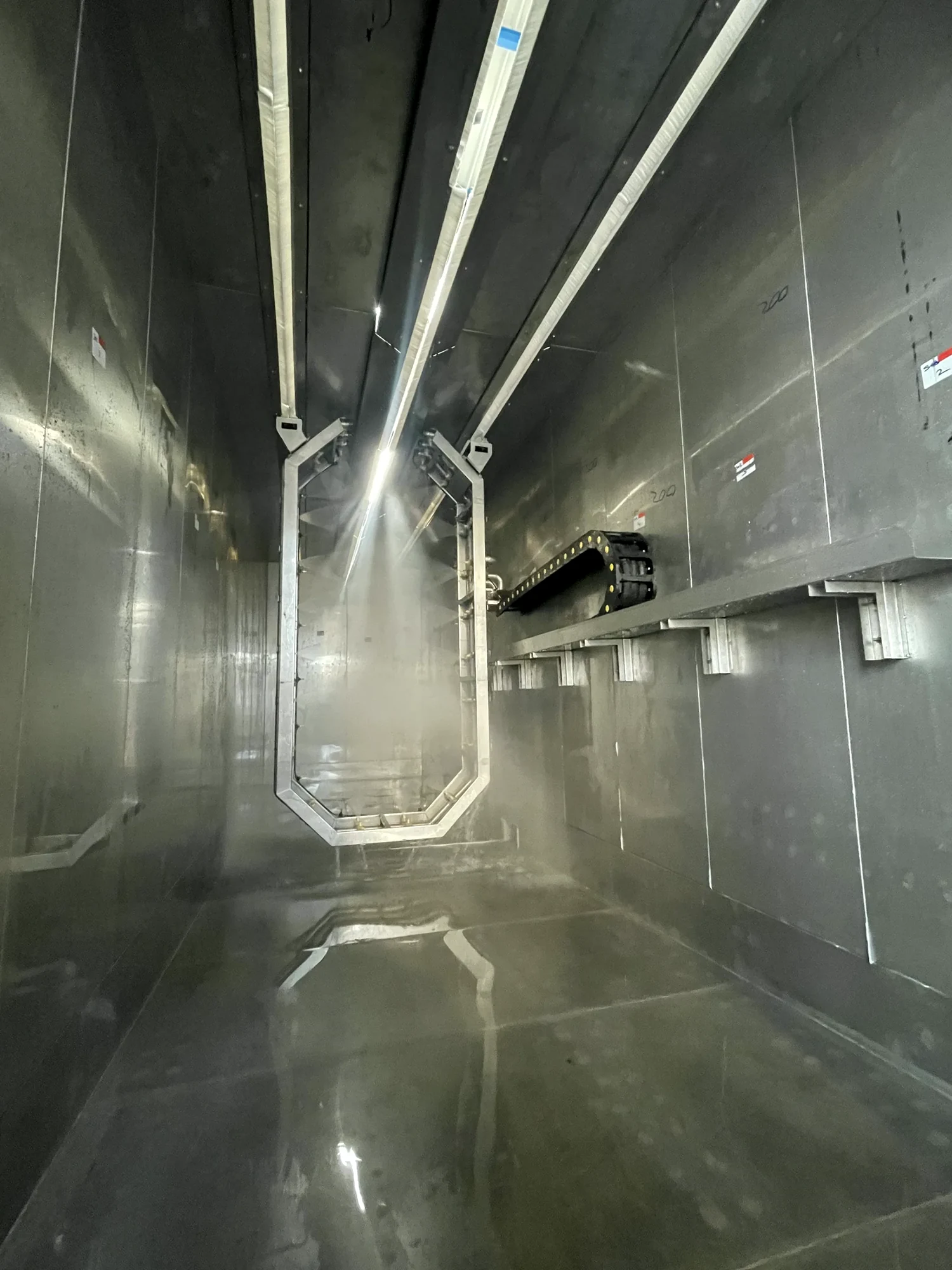
Several process liquids are applied sequentially inside one enclosed booth. The selected circuit returns each liquid to its own tank before the next stage begins.
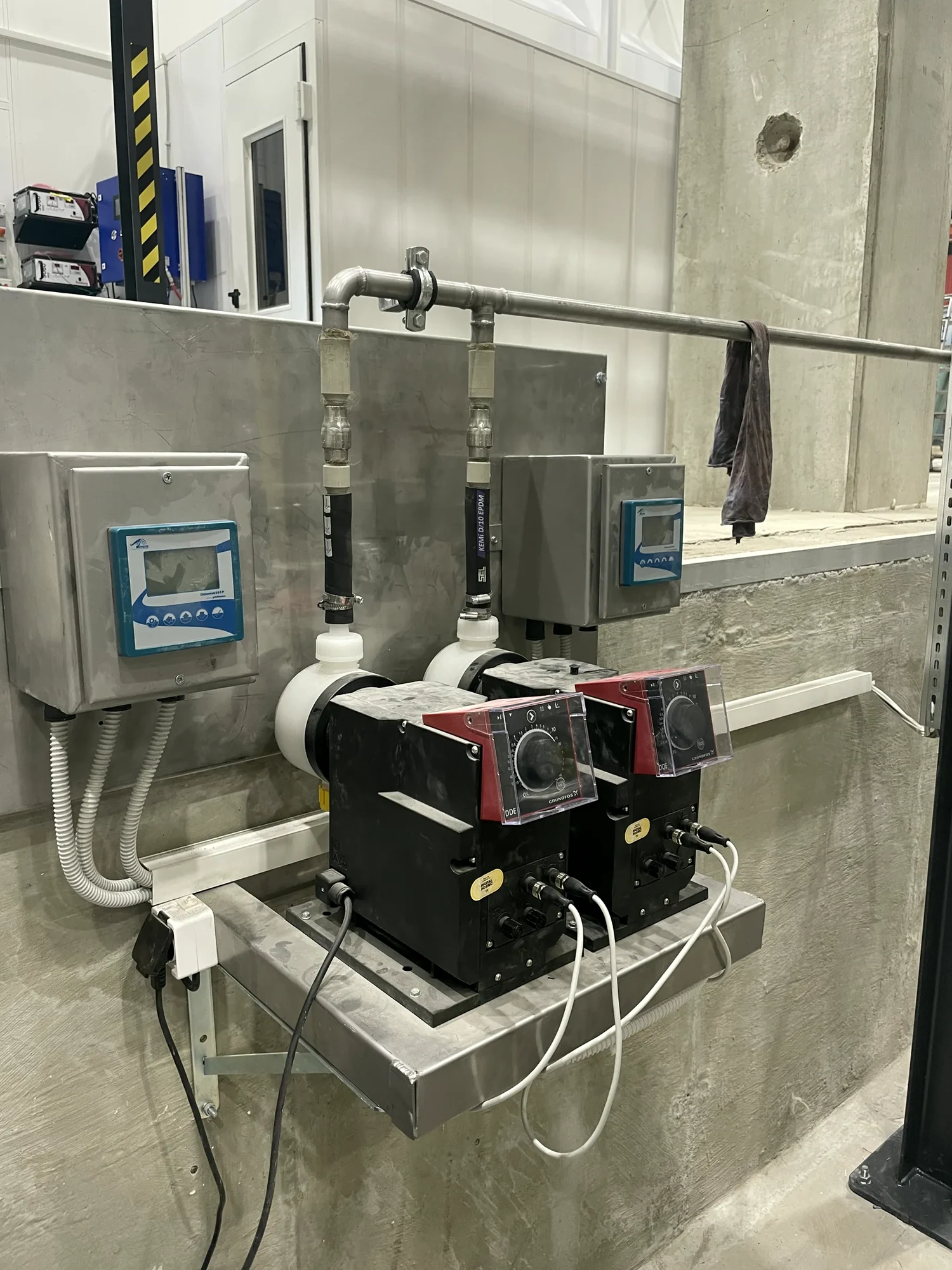
Metering equipment replenishes process chemicals according to the selected control strategy and keeps the bath closer to its defined operating window.
Chemical process stages
Not every line needs every stage. Chemistry, bath count and rinsing quality are defined from the substrate and coating specification.
Removes oils, grease and shop soils through a heated or ambient alkaline cleaning stage selected for the processed metal.
Combines cleaning with controlled oxide or scale removal where an acidic process is compatible with the substrate and finish requirement.
A milder cleaning option for suitable mixed-metal applications or processes where aggressive pH conditions are not preferred.
Creates a conversion layer that supports paint adhesion and corrosion resistance. The phosphate chemistry is chosen for the metal and performance target.
Removes residual chemistry between stages. Fresh-water, cascade and final demineralised-water rinses can be combined according to quality requirements.
A final treatment or sealing stage used where required to improve surface stability before drying and coating.
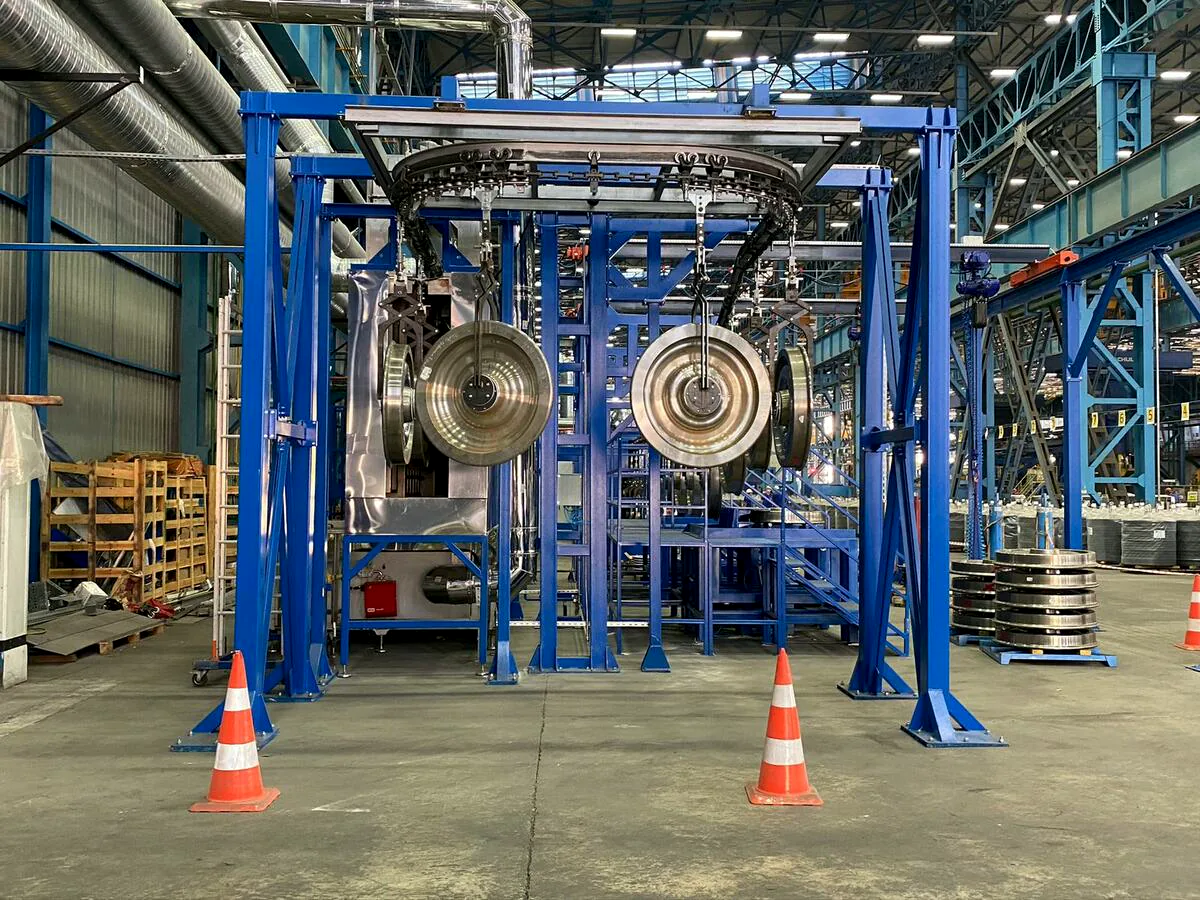
Engineering inputs
Frequently asked questions
It is typically selected for repeatable conveyorised production where separate cleaning, conversion and rinsing stages must operate continuously at a defined line speed.
It is a batch treatment chamber that applies several process liquids in sequence. Separate tanks and circuits allow cleaning, rinsing and conversion stages to be completed in one booth.
The correct choice depends on the substrate, oils and contaminants, required conversion stage, paint system and wastewater constraints. Final chemistry is confirmed with the chemical supplier and process trials.
Related systems
Related installation
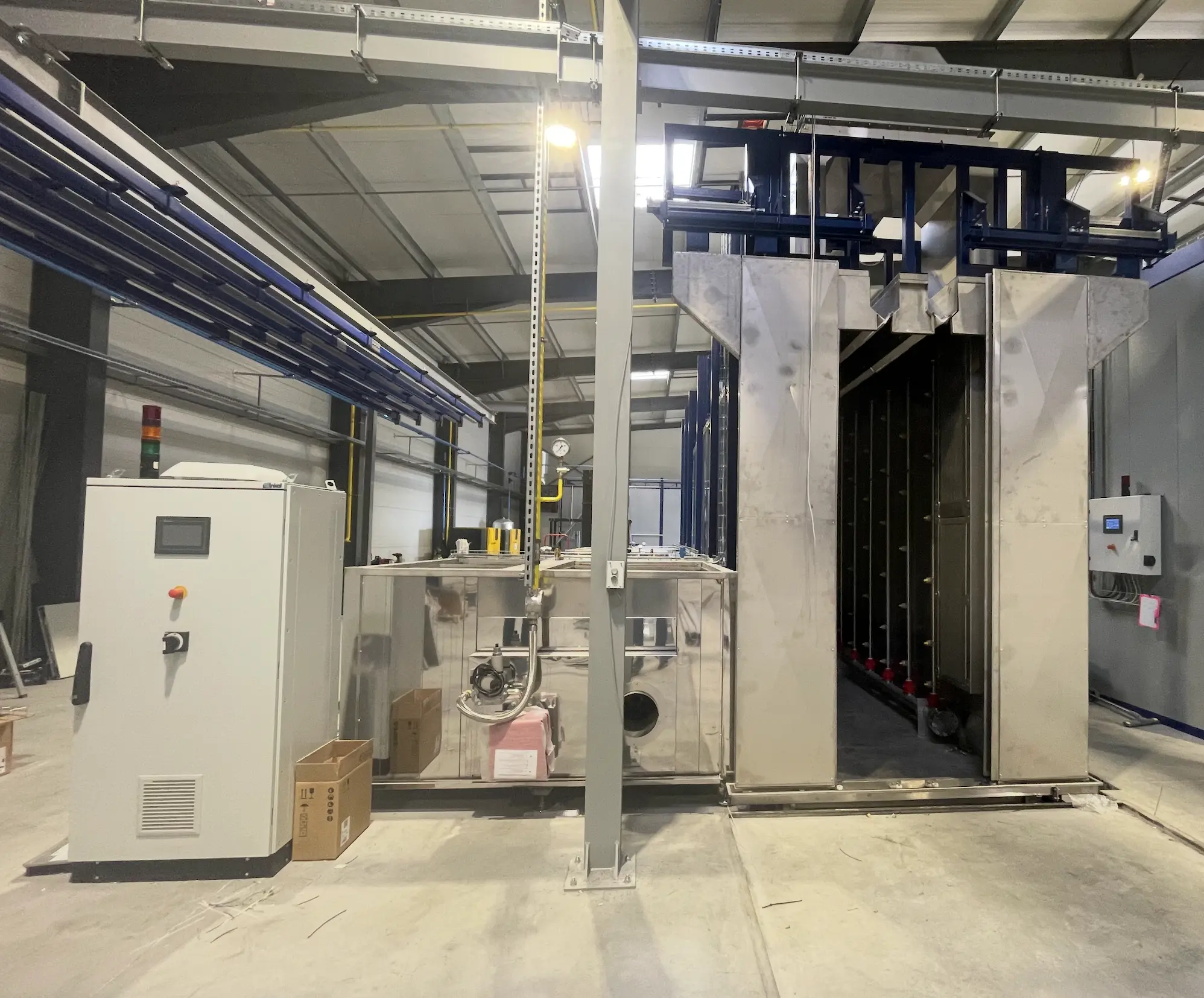
Explore the installed system, its configuration and project photographs.
View project ↗