Booth & airflow
Dimensions, lining, lighting and cross-draft ventilation matched to the process.
Sandblasting booths and blast rooms combine controlled ventilation, abrasive recovery and dust collection for manual surface preparation of large industrial parts.
Request a project proposal ↗Complete abrasive blasting systems
A blasting booth is more than an enclosed room. Airflow must keep the operator’s working zone visible, spent abrasive must be collected efficiently and reusable media must return to the blast pot without carrying excessive dust or debris.
Atlas engineers and supplies complete systems around the workpiece size, abrasive type, blasting capacity and daily operating hours, including the booth, recovery equipment, separator, dust collector and pressure blasting unit.
Sandblasting booth equipment includes the pressure blast pot, abrasive elevator unit, separator and dust collector. Automatic floor sweeping supports abrasive recovery; it does not by itself make the blasting operation automatic.
Dimensions, lining, lighting and cross-draft ventilation matched to the process.
Manual, partial-floor or automatic full-floor collection and recycling options.
Cartridge filtration, pulse cleaning and dust discharge sized for the blasting load.
System components
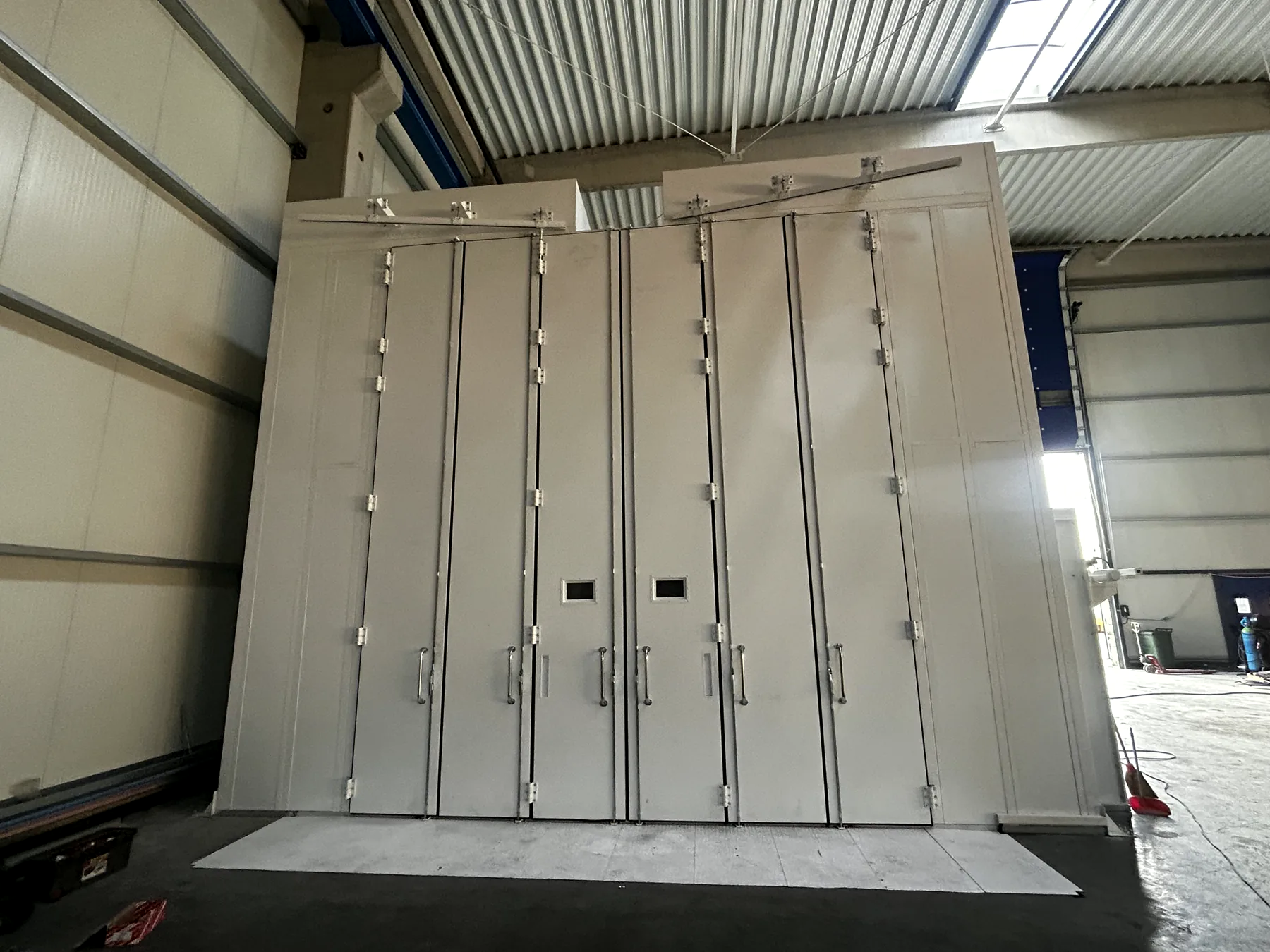
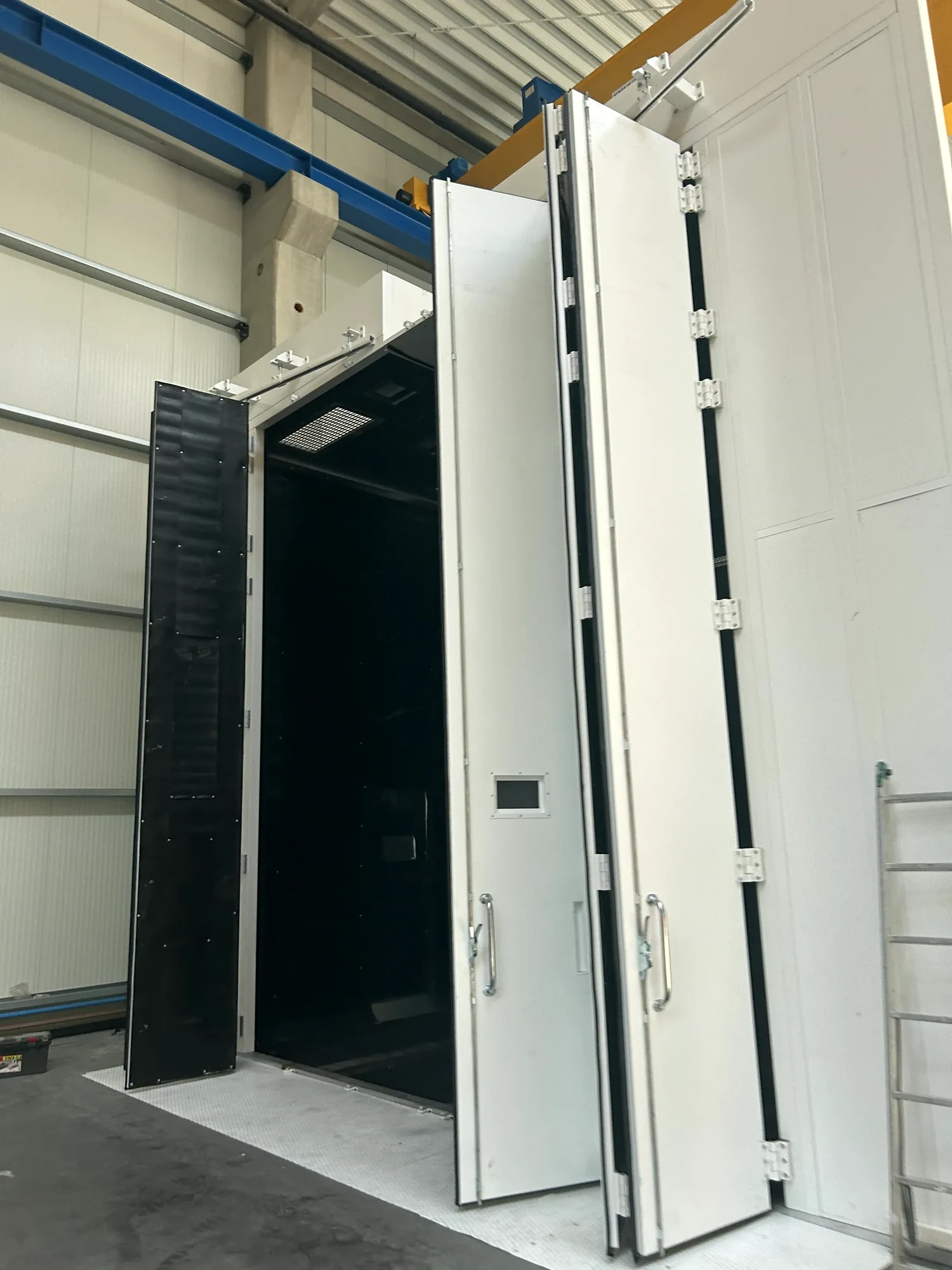
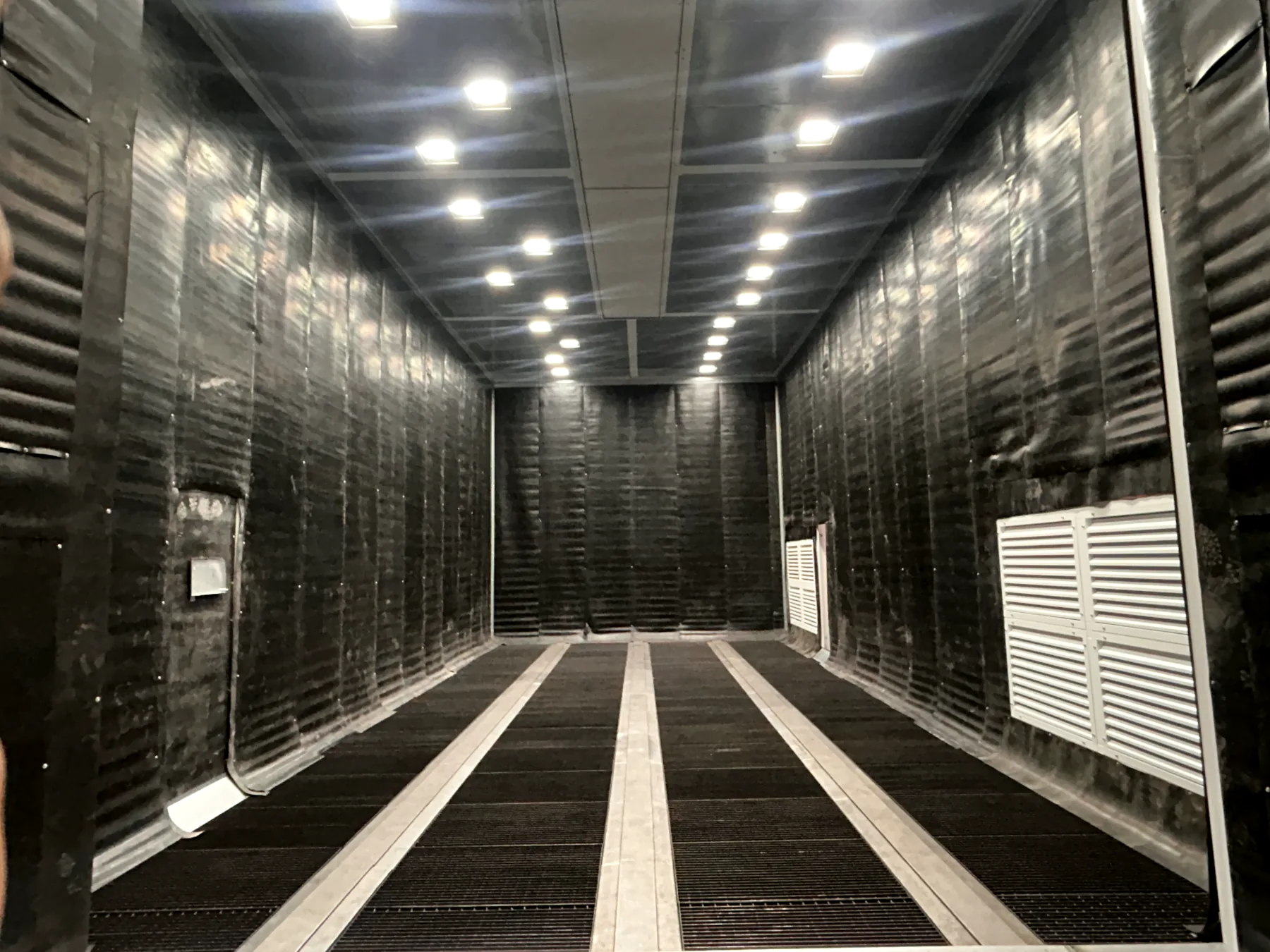
Enclosed abrasive blasting rooms contain the process and create a controlled working environment for manual surface preparation of steel structures, vehicles and industrial components.
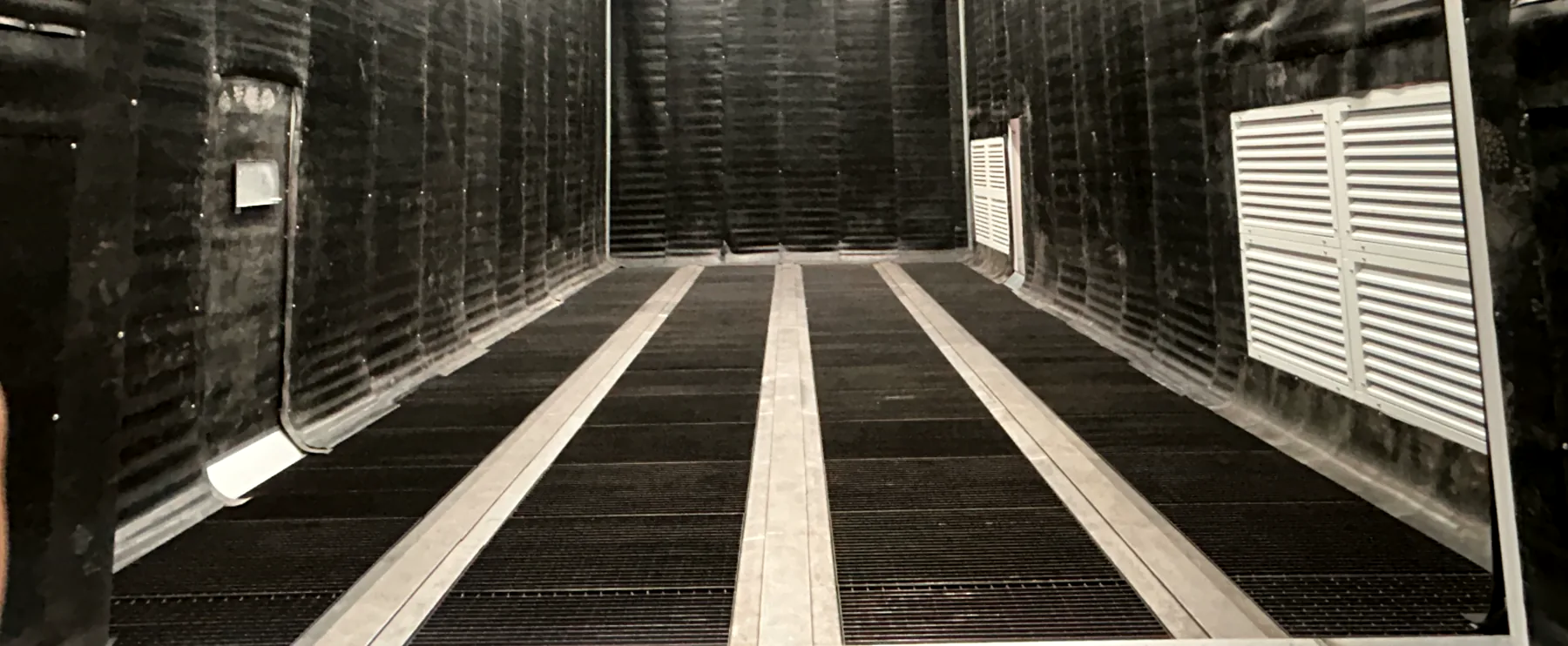
Floor recovery channels collect spent abrasive during operation and transfer it toward the recycling equipment. The arrangement reduces manual shovelling and shortens booth cleaning time.
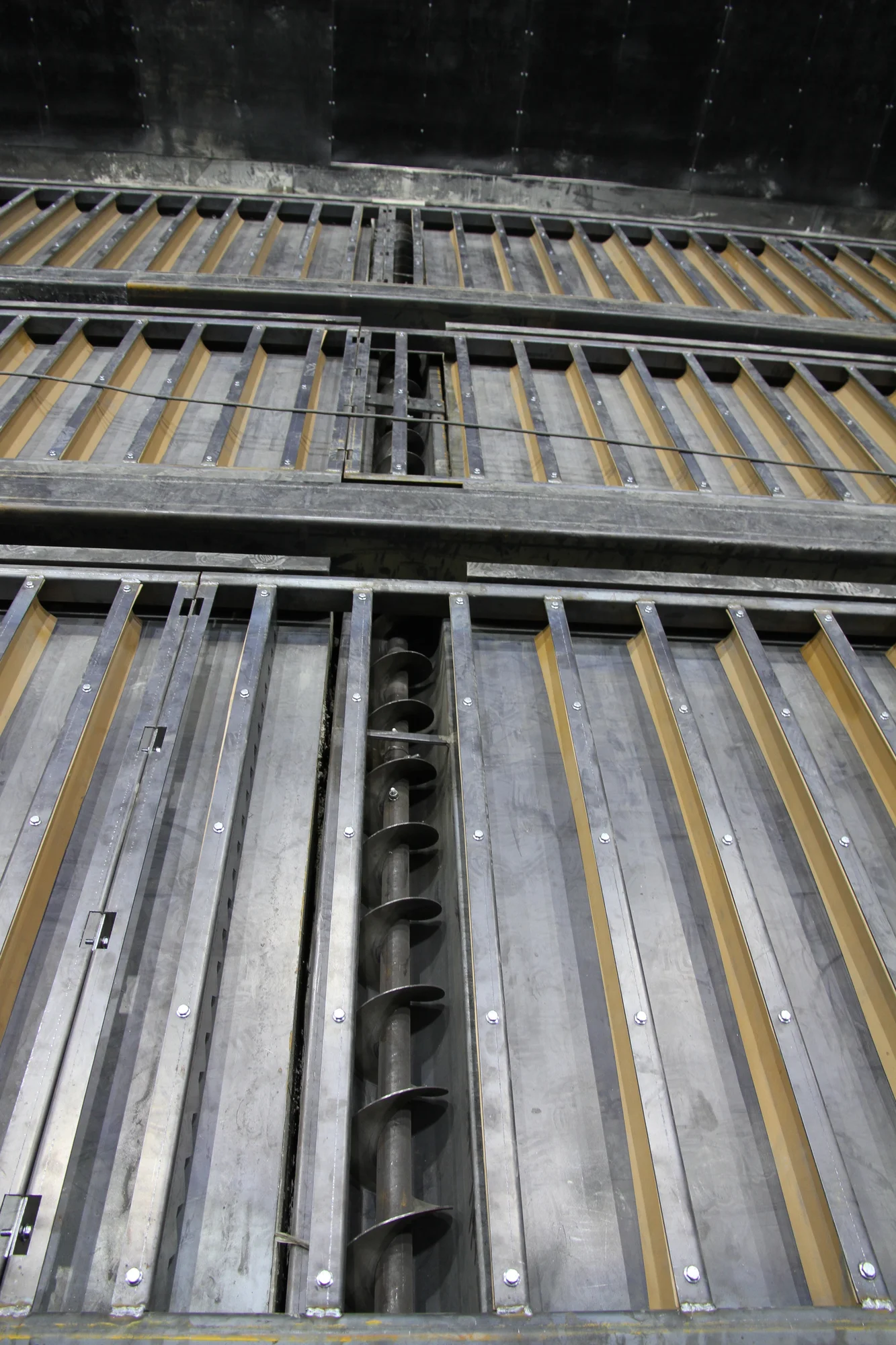
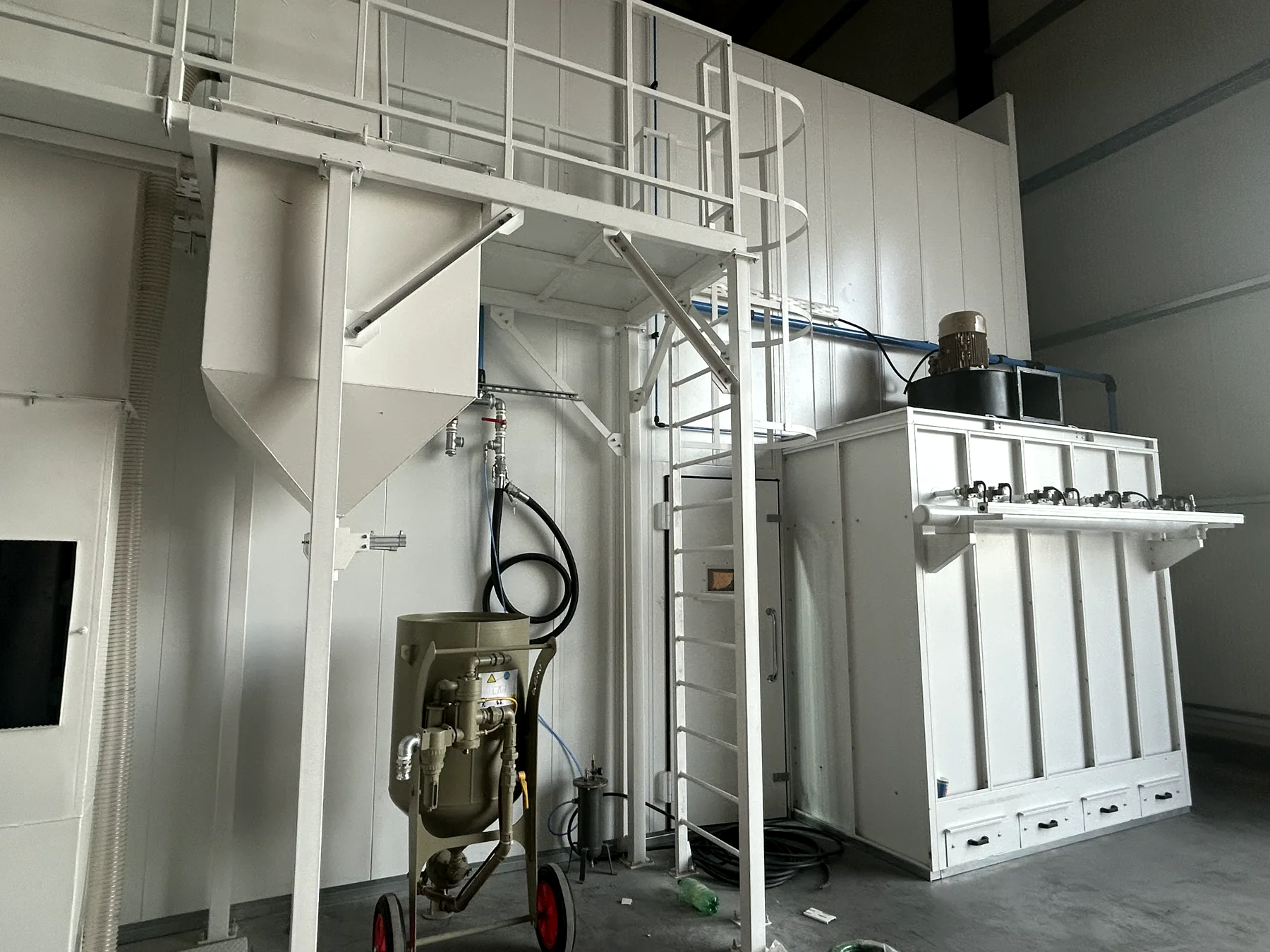
Collected media is lifted, screened and separated before reusable abrasive returns to the storage hopper and blast pot. Dust, fines and oversized contamination are removed from the working mix.
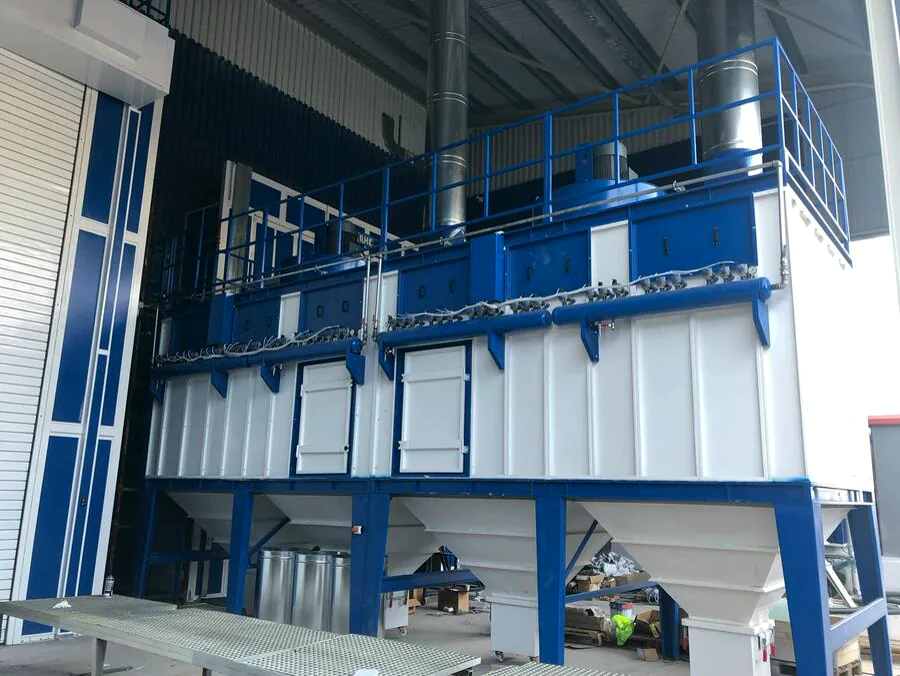
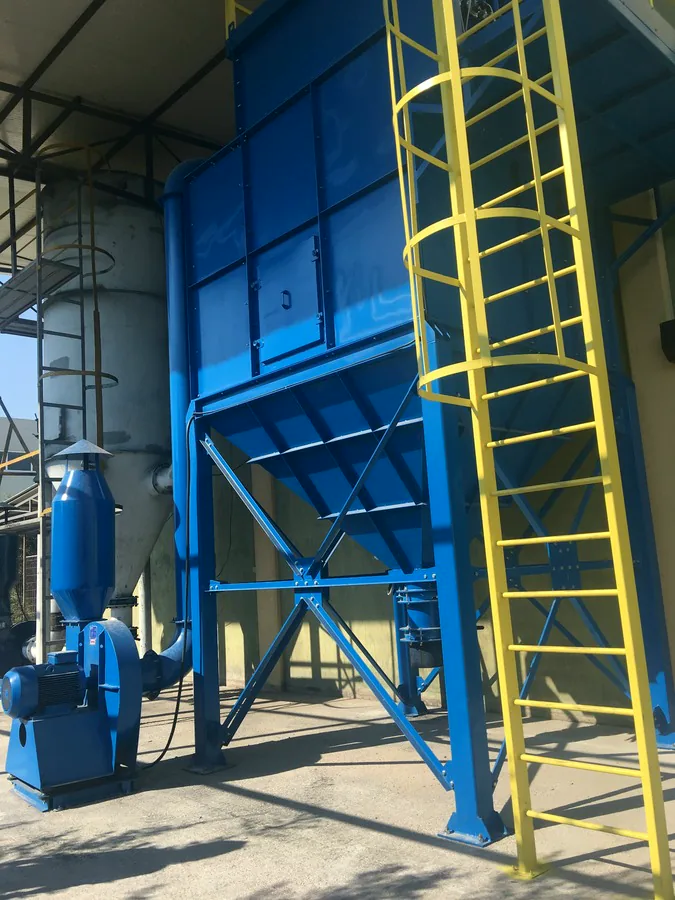
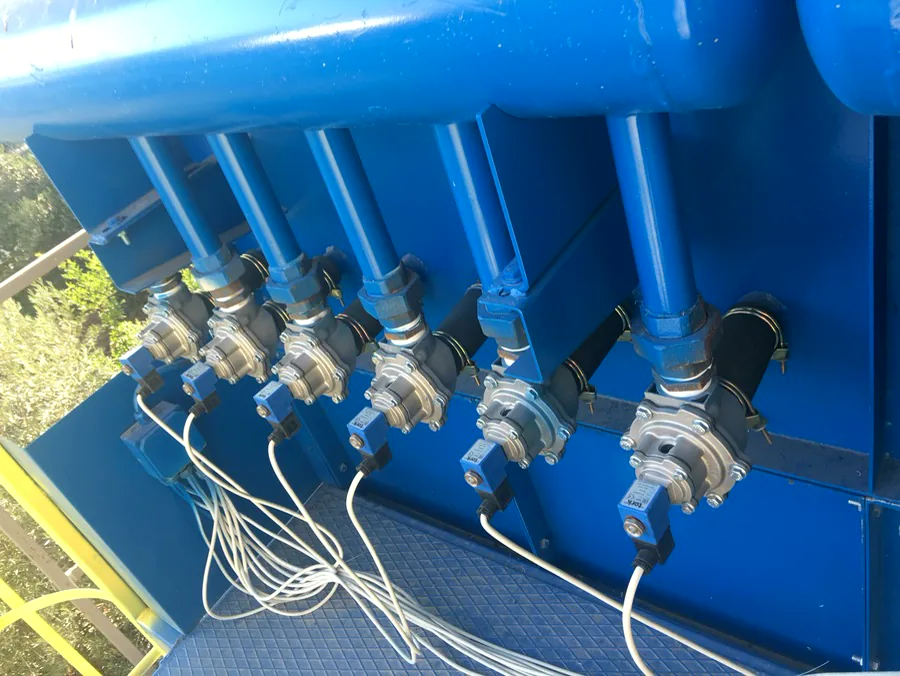
The extraction system maintains directional airflow through the booth and captures airborne dust in cartridge filters. Fan capacity and filtration area are calculated from booth size and blasting intensity.
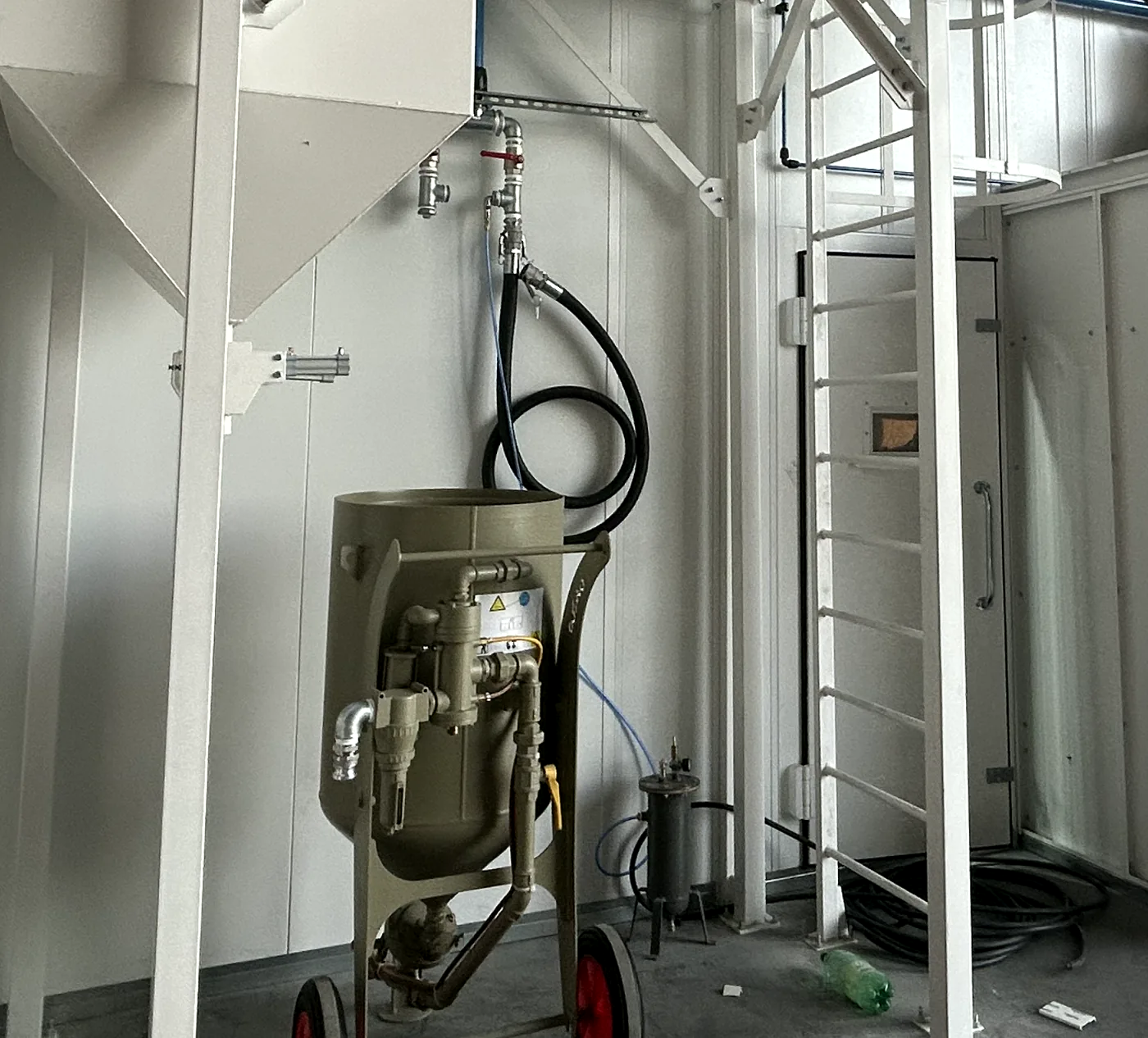
The pressure blast pot meters abrasive into the compressed-air stream and feeds the blasting nozzle. Capacity and valve configuration are selected for the required blasting time and media.
Engineering inputs
Maximum dimensions, weight, handling method and access required around the product.
Target surface standard, daily blasting hours, nozzle count and compressed-air availability.
Media type, grain size, consumption, recovery rate and contamination expected from the parts.
Building layout, pit construction, exhaust route, noise constraints and maintenance access.
Frequently asked questions
No. Manual recovery, partial-floor sweeping and full-floor automatic recovery are selected according to production volume, booth size, labour requirements and investment level.
Reusable abrasive should first pass through screening and separation so dust, fines and oversized debris do not reduce blasting performance or damage the equipment.
Sizing depends on booth cross-section, required airflow, abrasive type, dust load and filter velocity. The extraction and make-up air arrangement must be calculated as one system.
Related systems
Related installation
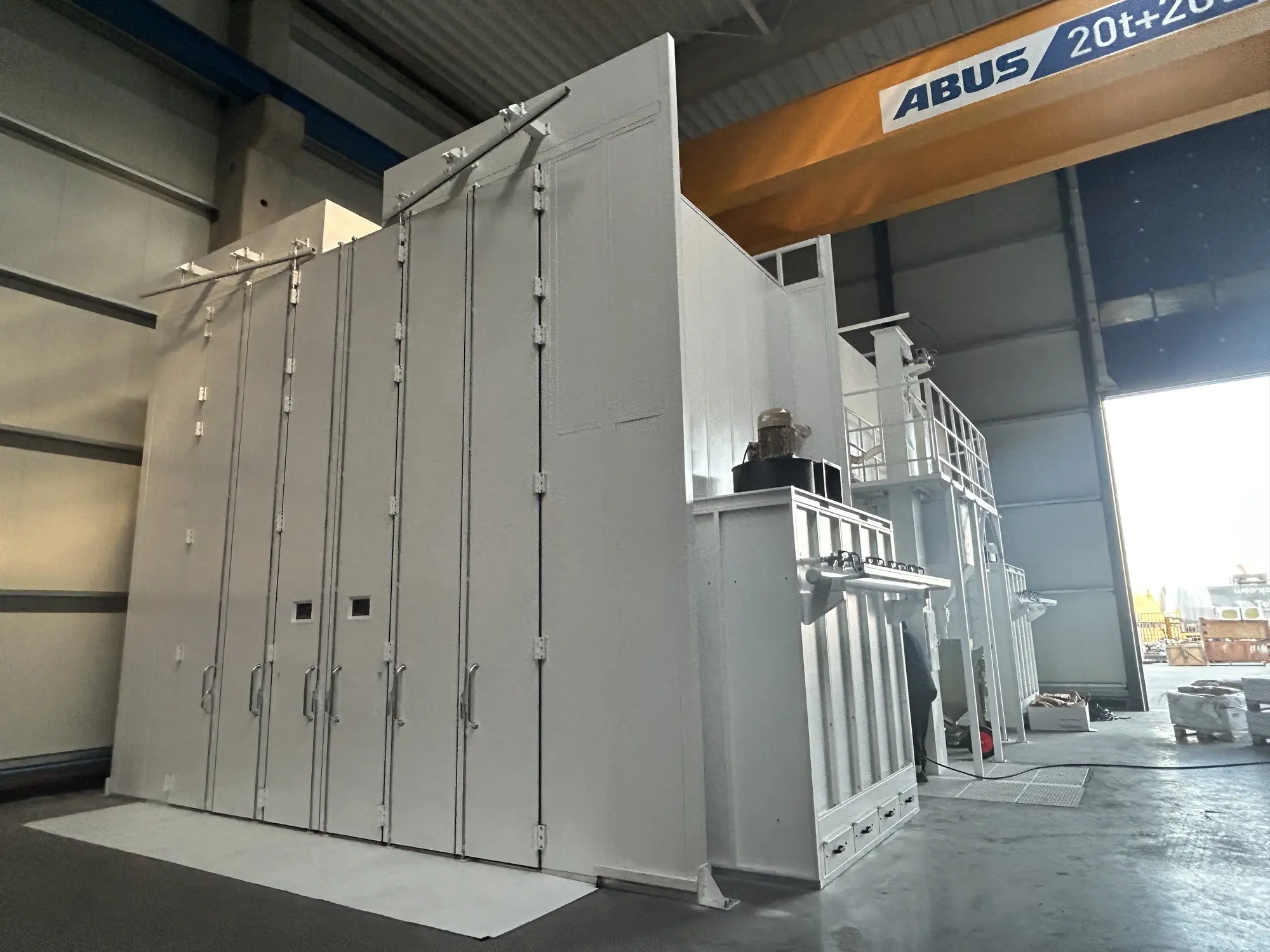
Explore the installed system, its configuration and project photographs.
View project ↗